Does oil pulling actually do anything for your teeth?
Swishing coconut or sesame oil may lower mouth bacteria in short, small studies. The evidence is weak, it does not replace brushing and flossing, and inhaling the oil carries a rare but real lung risk.
By The Savvy Rabbits Staff ·
✓Checked twice. Fact-checked against the original sources and approved by an editor. About our standards
Oil pulling, swishing a spoonful of oil around the mouth for several minutes and then spitting it out, has some research behind it, but not much, and most of that research is weak. Short, small trials suggest it may lower the number of bacteria in saliva. There is no good evidence that it beats a normal routine of brushing with fluoride toothpaste and flossing, and the American Dental Association does not recommend it.
The practice is not new, and it keeps returning through short videos and wellness posts.
What does oil pulling claim to do?
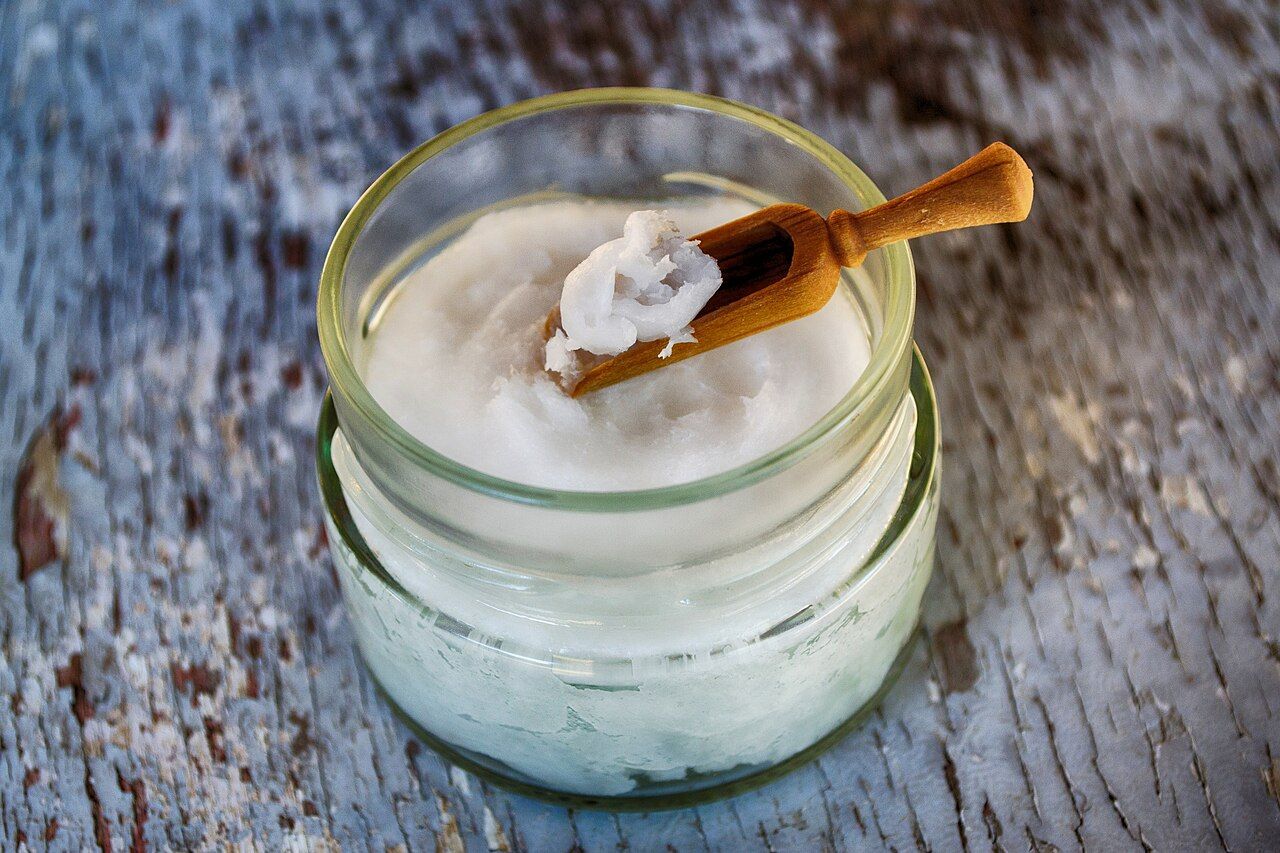
The method is simple: a spoonful of coconut, sesame or another edible oil, swished around the mouth and then spat out. Online claims go well beyond fresh breath. In 2023, PolitiFact checked a Facebook video saying a daily 20-minute rinse with virgin coconut oil would strengthen gums, stop cavities, whiten teeth and cut plaque. PolitiFact rated the claim Mostly False.
Compared with ordinary, non-chlorhexidine mouthwashes, oil pulling improved one measure of gum inflammation, the modified gingival index.
Chlorhexidine, a prescription-strength antiseptic rinse, reduced plaque more than oil pulling did.
The authors rated the overall quality of the evidence as "very low."
A summary by the Dental Elf, an evidence-based dentistry blog, adds context. Of the 25 trials, 24 were at high risk of bias in at least one area. They were small, with 20 to 90 people each, and short: the review itself reports that the trials lasted 7 to 45 days. The gum benefit over regular mouthwash rested on just two studies. Sesame and coconut oil were the most-tested oils.
Two other reviews point the same way. A 2022 meta-analysis of nine randomized trials by Peng and colleagues in Healthcare found lower bacterial counts in saliva, but no clear difference in plaque or gum scores. A 2020 review in Heliyon looked only at coconut oil. It found four trials with 182 people in total, each lasting one to two weeks. Those trials reported lower bacteria and plaque scores, but the authors called the evidence limited, with mixed study quality and a high risk of bias.
None of this shows that oil pulling whitens teeth or stops cavities. Fewer bacteria in a saliva sample is not the same as fewer cavities over years.
What does the American Dental Association say?
The ADA's consumer site, MouthHealthy, says the association "does not recommend oil pulling as a dental hygiene practice." It notes that no reliable scientific studies show oil pulling reduces cavities. Its advice instead is to brush twice a day for two minutes with fluoride toothpaste and to floss between the teeth once a day.
Is oil pulling risky?
For most people, the main risk is indirect. Time spent swishing oil is not a substitute for brushing, flossing or dental checkups, and a problem like a toothache or bleeding gums needs a dentist, not a home rinse.
There is also a rare but documented direct risk. Oil that is accidentally breathed into the lungs can cause a condition called exogenous lipoid pneumonia. A 2015 report in BMC Pulmonary Medicine described two people, a 66-year-old man and a 38-year-old woman, who developed it after months of regular sesame oil pulling. A 2018 report in Monaldi Archives for Chest Disease described two women, both with a history of tongue cancer, whose pneumonia would not clear and was traced to oil pulling. Both stopped the practice and were treated with repeated washing out of the lungs. Those authors advised that people, especially those at risk of inhaling liquids into the lungs, be properly informed of this risk.
Case reports cannot say how common the problem is. They do suggest that people at higher risk of inhaling liquids, such as those with swallowing trouble, have extra reason for caution.
What is a sensible next step?
Anyone curious about oil pulling can bring it up at the next dental visit and ask whether it makes sense for their own teeth and gums. Brushing with fluoride toothpaste and flossing remain the basics either way.
This article is for general education only and is not medical advice. Talk to a doctor or other qualified health professional before changing your diet, supplements, medication, or treatment.
Sources
CNN, "'Oil pulling': Natural, stronger mouthwash or waste of time?": https://www.cnn.com/2026/10/28/health/oil-pulling-wellness
PolitiFact, "No hard evidence 'oil pulling' improves oral health, but some signs it could help": https://www.politifact.com/factchecks/2023/apr/28/facebook-posts/no-hard-evidence-oil-pulling-improves-oral-health/
PubMed, "The effect of oil pulling in comparison with chlorhexidine and other mouthwash interventions in promoting oral health: A systematic review and meta-analysis" (Jong, Ooi, Teoh, Int J Dent Hyg 2024;22(1):78-94): https://pubmed.ncbi.nlm.nih.gov/37635453/
The Dental Elf, "Oil pulling for oral health": https://www.nationalelfservice.net/dentistry/oral-health-other-health-conditions/oil-pulling-oral-health/
PubMed, "Effectiveness of Oil Pulling for Improving Oral Health: A Meta-Analysis" (Peng et al., Healthcare 2022): https://pubmed.ncbi.nlm.nih.gov/36292438/
University of Manchester Research Explorer, "The effect of oil pulling with coconut oil to improve dental hygiene and oral health: A systematic review" (Woolley et al., Heliyon 2020): https://research.manchester.ac.uk/en/publications/the-effect-of-oil-pulling-with-coconut-oil-to-improve-dental-hygi/
American Dental Association, MouthHealthy, "Oil Pulling": https://www.mouthhealthy.org/all-topics-a-z/oil-pulling/
PubMed, "Exogenous lipoid pneumonia caused by repeated sesame oil pulling: a report of two cases" (Kuroyama et al., BMC Pulm Med 2015): https://pubmed.ncbi.nlm.nih.gov/26518258/
Monaldi Archives for Chest Disease, "Exogenous lipoid pneumonia associated with oil pulling: Report of two cases" (Wong et al., 2018): https://www.monaldi-archives.org/index.php/macd/article/view/922
Our take
This take is opinion, not professional advice.
The Savvy Rabbits Staff
Our editors' take
The trials behind oil pulling share a design problem worth understanding. The main comparisons described here are against other rinses. Beating an ordinary mouthwash in studies lasting a few weeks is a narrow result. The comparison against a strong rinse, chlorhexidine, went the other way on plaque. Then there is quality. When Jong and colleagues judged 24 of 25 trials at high risk of bias, that was not a technicality. It means the numbers could move a lot if someone runs a large, careful trial. The lung cases are rare, and four patients across two reports tell us little about how often it happens. They do tell us the mechanism is real, which matters more for anyone at risk of inhaling liquids. A spoonful of oil is cheap. Twenty minutes taken from brushing and flossing is not.